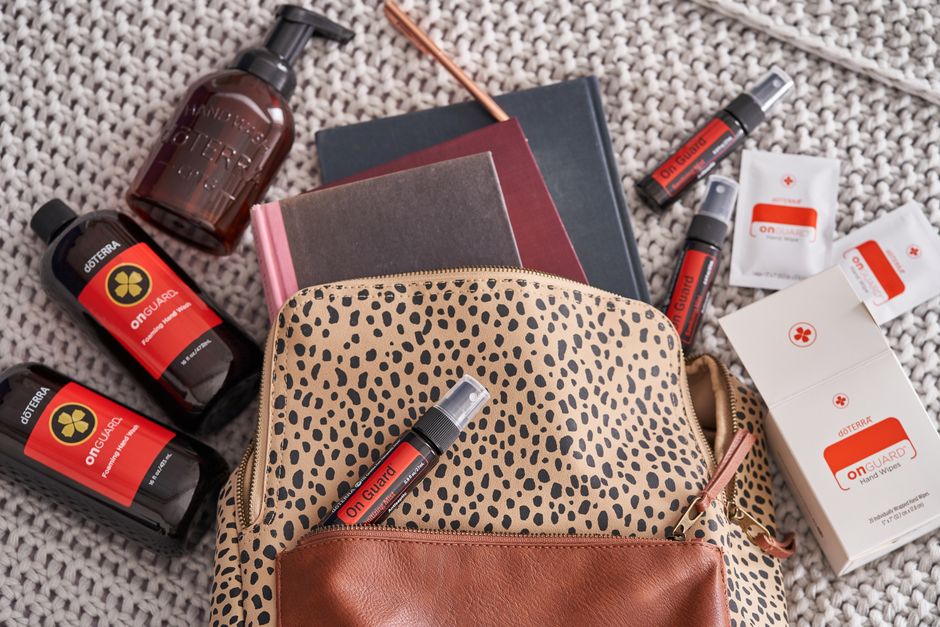
As the clock ticks past 6 PM, the hallway drop zone is cluttered with the remnants of a long workday. A laptop sits open on the kitchen counter, its screen casting a soft glow, while a half-empty lunch container languishes in the sink, a reminder of the hurried morning. The work clothes, still clinging to the body, feel like an anchor, making it hard to shift gears into the evening. This transition period often stretches longer than intended, with the intention to engage in art practice slipping away as the hours pass. The evenings can easily become a blur of chores and fatigue, leaving little room for creativity.
In the midst of this chaos, a simple adjustment can make a significant difference. Laying out clothes for the next day becomes an overlooked yet crucial step that can streamline the evening routine. Instead of rushing through the process, taking a moment to select and place the outfit on a chair in the hallway not only prepares for tomorrow but also signals a shift from work mode to personal time. This small habit, if integrated consistently, can create a clearer boundary, allowing for a smoother transition into the art practice that often feels just out of reach.
The Hidden Steps of a Messy Evening
After a long day of remote work, the moment of arriving home often feels like stepping into a whirlwind. The hallway drop zone greets me with a chaotic mix of shoes, bags, and the remnants of my workday. My work clothes cling to me, a reminder of tasks left unfinished, making it hard to shift gears into a more relaxed evening. As I stand there, I can see my lunch container still lingering in the sink, a small detail that underscores the disarray of my routine.
Before I can even think about engaging in my art practice, I need to tackle the clutter around me. I take a deep breath and commit to laying out my clothes for the next day. I reach for a chair in the hallway, clearing off a few scattered items to make space. Selecting my outfit becomes a small but vital habit that sets the tone for the evening. This simple action signals a transition, a way to close the door on the workday and open the door to personal time. As I place the shirt and pants neatly on the chair, I remind myself to check the bag for any essentials I might need in the morning. This small adjustment can help prevent the chaos from spilling into the next day, allowing me to carve out the time I need for my art practice, even if it feels like a distant goal right now.
The Moment Routine Begins to Slip
As I stand in the hallway, I catch sight of my lunch container still sitting in the sink, a stark reminder of the day’s chaos. The clutter around me—shoes strewn across the floor, a jacket draped over the stair railing—adds to my growing sense of disarray. I realize I’ve forgotten to lay out my clothes for tomorrow, a small but significant step that can set the tone for my morning routine. Without this simple action, I’m left scrambling in the morning, which only heightens my stress levels.
- Clear off the chair in the hallway to create a designated space for tomorrow's outfit.
- Choose a shirt and pants that are comfortable yet presentable, making sure they are ready to grab in the morning.
- Before leaving the room, check my bag for essentials like my sketchbook and art supplies, ensuring nothing is forgotten.
In this moment, I can feel the weight of the evening routine pressing down on me. Each item I neglect to address, like that lunch container, becomes a mental block, pulling me further from my art practice. I know that by simply laying out my clothes and checking my bag, I can create a smoother transition into my evening, one that allows me to focus on my creative work instead of feeling overwhelmed. Yet, as I leave the hallway, I can’t shake the feeling that I’ve missed a crucial checkpoint in my routine, one that could have made all the difference for my art practice tonight.
This same friction shows up again in Daily Routines Real Life, especially when the day tightens unexpectedly.
Why the Sequence Matters: Unpacking the Friction
As I step into the hallway, the sight of my work clothes still clinging to me feels like a weight. The clutter of my day—shoes scattered, bags half-open—hinders my transition to art practice. It’s not just about changing clothes; it’s about creating a clear path to creativity. If I don’t address these small tasks, they compound into a larger mental barrier, making it harder to engage with my art.
The evening routine often becomes a race against time, where I leave too many tasks unaddressed until the moment I want to switch gears. That lunch container still sits in the sink, a reminder of unfinished business. Each item left out in the hallway feels like a missed step, a hidden tradeoff that adds to my mental clutter. I know that if I take just a few moments to lay out my clothes for tomorrow, I can simplify my morning and set a tone for my evening.
Before I leave the hallway, I make it a point to check my bag for essentials like my sketchbook and art supplies. This simple action—checking off items from my mental list—creates a small but significant shift in my routine. It’s a tiny sequence that helps me feel prepared and reduces the friction I face when I finally sit down to create. Yet, when I skip this step, I can’t help but feel that I’m setting myself up for a struggle later. The good intentions of wanting to practice art can easily be overshadowed by the clutter of a disorganized space and unfinished tasks. By recognizing this friction and addressing it, I can create a smoother transition into my evening practice, making it more likely that I’ll actually engage with my art instead of feeling overwhelmed by the remnants of my day. A Simple Adjustment: Laying Out Clothes First As I step into my cluttered hallway after another long day of remote work, the first thing I notice is the pile of clothes I tossed aside earlier. If I want to shift gears from the work mindset to my evening art practice, I need to address this visual chaos immediately. Laying out my clothes for the next day becomes a priority. I grab a clean shirt and my favorite pair of jeans, placing them neatly on the chair near the front door. This small habit serves as a visual cue, signaling that it’s time to transition from work to creativity.
By making this adjustment right after entering my home, I clear physical clutter and mentally prepare for the evening ahead. The act of laying out clothes clears my mind, allowing me to focus on what I truly want to do. I also take a moment to check my bag for essentials—my sketchbook, colored pencils, and a few reference images. This sequence of actions—first laying out clothes, then checking my bag—creates a rhythm that feels natural and productive.
If I skip this step, I often find myself overwhelmed by the mess in the hallway and the remnants of my workday. The clutter can easily pull me back into a mindset of unfinished tasks, making it harder to engage with my art. By establishing this simple evening routine, I not only set a tone for my evening but also create a smoother path to my daily art practice. It’s a small adjustment, but the impact is significant, transforming my evening from chaotic to focused.
What Gets Easier in the Next Time Block
If this pattern keeps repeating, Everyday Life In The extends the idea without leaving the niche.
As I step into my hallway drop zone after a long day, the sight of my work clothes still clinging to me feels like a weight. The clutter of the day lingers, and I know that if I don’t make a shift, I’ll struggle to engage with my evening art practice. Laying out my clothes for the next day becomes a crucial first step. I grab a simple button-up shirt and a pair of comfortable pants, placing them neatly on the chair by the door. This small act signals to my brain that the workday is over.
Next, I check my bag, ensuring my sketchbook and colored pencils are ready for the evening ahead. I also peek into the kitchen to see that my lunch container is still sitting in the sink, a reminder of the day’s chaos. Instead of letting this small detail derail my focus, I take a moment to rinse it out and set it on the drying rack. This quick action not only clears physical clutter but also helps shift my mindset. By taking these few minutes to prepare, I create a smoother transition into my evening routine.
With my clothes laid out and my bag checked, I find it easier to settle into my art practice. The earlier friction of work clothes and a messy kitchen is replaced by a sense of readiness. I can now pick up my sketchbook without feeling distracted by the remnants of my day. This simple adjustment makes the next time block feel more inviting, allowing me to dive into creativity with less resistance.
As I stand in the hallway, I notice my work clothes still clinging to me, a lingering reminder of the day’s demands. This small detail can easily extend my transition time, making it harder to shift gears into my evening art practice. By taking a moment to lay out my clothes for the next day, I create a visual cue that signals the end of my workday. This simple act not only clears my mind but also prepares me for the next step in my routine.
Before I leave the room, I make it a point to check for any lingering tasks, like the lunch container in the sink. A quick rinse and placement on the drying rack not only tidies my space but also solidifies my commitment to transitioning into creativity. With these small adjustments, I can better navigate the friction points that arise after a long day, ensuring that my evening routine becomes a launchpad for my art practice rather than a barrier.
