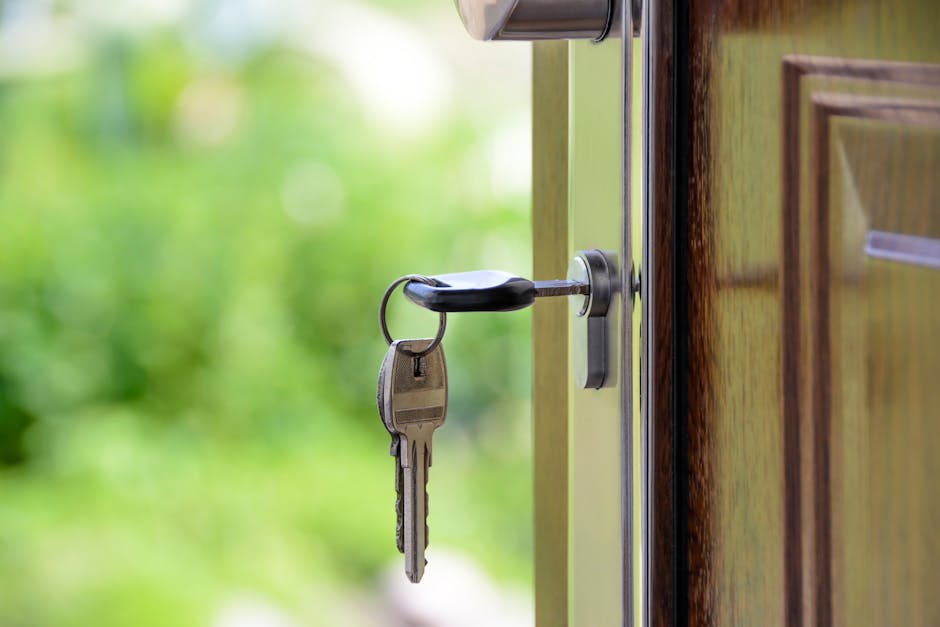
As the morning light filters through the window, the bedside table is cluttered with a half-packed bag, a set of keys, and a notebook filled with sketches. I reach for the notebook, hoping to squeeze in a few minutes of drawing before the day begins. However, my work clothes are still on, and I realize I’ve lingered too long in my routine, losing track of time. The umbrella, left in the corner instead of by the door, serves as a reminder of how easily small oversights can derail my intentions. Each item I need for the day feels like a step that has yet to be taken, and the weight of that unpreparedness hangs over me.
In the rush to get out the door, I notice that too many steps in my morning routine remain hidden until the moment I need them. I should have packed my bag the night before, ensuring that my art supplies were ready and waiting. Instead, I’m left scrambling to find my sketchbook while simultaneously trying to remember if I’ve charged my tablet. This chaotic start makes it clear: when the sequence of actions isn’t visible or organized, my commitment to daily art practice falters. The simple act of moving the umbrella to the door could have created a smoother transition, but instead, it’s just one more detail that slipped through the cracks. The Morning Routine That Starts to Slip The bedside table is cluttered with my keys, a notebook, and a half-packed bag, all reminders of my intention to keep art practice a priority. As I glance at the clock, the minutes tick away faster than I’d like. I should have laid out my work clothes the night before, but instead, they linger on my body longer than intended, making me feel trapped in yesterday’s routine. The bag sits open, waiting for my sketchbook, but I can’t seem to find it among the scattered papers and pens.
In the chaos, I realize that I’ve left my tablet charging in another room, a detail that now feels critical. I rush to grab it, but the umbrella I meant to move to the door remains in the corner, a small oversight that compounds my stress. Each step I take feels like a hidden obstacle, revealing how easily my morning routine can unravel. If I had simply checked my bag the night before and ensured everything was in its place, I would have had a smoother start. Instead, I’m left scrambling, with the weight of unpreparedness hanging over me. This moment illustrates how the order of actions in my daily routine can impact my commitment to art practice, leaving me with a sense of urgency that distracts from my creative intentions.
When Packing the Bag Becomes Overwhelming
As I glance at the bedside table, the sight of my work clothes still draped over the chair strikes me. It’s already past the time I usually start my art practice, and the weight of those clothes feels heavier than usual. I had planned to change out of them right after finishing my morning tasks, but I got caught up in the routine of packing my bag. Now, I’m left feeling unmotivated, staring at the open bag that’s still missing my sketchbook.
In the chaos of the moment, I realize I skipped checking my bag the night before. I had intended to lay out my supplies, but instead, I left everything scattered. The notebook I need is buried under a pile of papers, and I can’t even find my favorite pen. This oversight creates an immediate consequence: I feel rushed and distracted, unable to focus on the creative work I had planned. The umbrella I meant to move to the door still sits in the corner, a reminder of my disorganized approach.
To regain some control, I quickly decide to check my bag and gather what I can. I pull out the loose papers, hoping to find my sketchbook beneath them. If I had just taken a moment to prepare the night before, I wouldn’t be scrambling now. This small adjustment could have made my morning routine smoother, allowing me to engage with my art practice instead of feeling overwhelmed by the hidden steps that have piled up.
Checkpoints That Matter: The Hidden Steps
As I stand by my bedside table, I realize that my morning routine is filled with overlooked tasks that create friction in my art practice. Each hidden step contributes to a chaotic start, leaving me feeling rushed and unprepared. To smooth out my weekday routine, I need to identify these checkpoints that often slip through the cracks.
- Laying out clothes: Setting out my work clothes the night before not only saves time but also eliminates the decision fatigue that can derail my focus. If I don’t choose my outfit in advance, I waste precious minutes in the morning.
- Packing the bag: I need to ensure my bag is ready with all necessary supplies, including my sketchbook and favorite pen. If I skip this step, I might find myself scrambling to gather everything last minute, which disrupts my flow.
- Checking for supplies: A quick inventory of my art materials before I head out can prevent surprises. If I forget to check for my favorite markers or sketching paper, I risk being unprepared, which can lead to frustration during my practice.
Good intentions alone aren't enough. The umbrella I meant to move to the door still sits in the corner, a reminder that without a clear system, my plans can easily fall apart. By laying out my clothes and packing my bag the night before, I can reclaim those lost moments and allow my art practice to flourish instead of feeling overwhelmed by hidden steps.
This same friction shows up again in Daily Routines Real Life, especially when the day tightens unexpectedly.
Rearranging the Sequence for Better Flow
The bedside table is cluttered with art supplies, a notebook, and my keys, all reminders of the chaos that can unfold in the morning. When I wake up and see my work clothes still draped over the chair, I realize I’ve already lost valuable time. A small adjustment, like packing my bag the night before, could significantly reduce the friction I face each morning. This simple act allows me to start the day with everything I need—my sketchbook, favorite pens, and even a portable water bottle—ready to go.
By shifting my routine to include this preparation step, I can avoid the scramble that often leads to forgotten essentials. The decision to check my supplies the night before means I can ensure I have my favorite markers and sketching paper packed. I can even lay out my clothes, eliminating the last-minute decision-making that often slows me down. One night, I placed my umbrella by the door, a small but crucial shift that ensures I won’t be caught off guard by unexpected weather.
Without this small sequence change, I risk feeling overwhelmed before I even begin my art practice. The umbrella, once hidden in the corner, now serves as a visual cue to check before heading out. This small reorganization not only streamlines my morning routine but also sets the tone for a more productive day. Ultimately, it’s about creating a system that supports my art practice rather than complicating it with hidden steps.
A Smoother Transition into the Day
If this pattern keeps repeating, Everyday Life In The extends the idea without leaving the niche.
After adjusting my evening routine to pack my bag the night before, mornings feel noticeably different. Instead of rushing to gather my supplies while still in my work clothes, I now wake up to a clear space by the door. My bag, already filled with sketching paper and markers, waits patiently for me, eliminating the usual scramble. This small but significant change allows me to step into my art practice with a sense of readiness rather than chaos.
With my clothes laid out the night before, I can quickly change into my art attire, making the transition smoother. I no longer find myself lingering in my work clothes longer than intended, which often leads to procrastination. Instead, I slip into my comfortable outfit, and the act of doing so signals my brain that it’s time to shift gears. This simple adjustment creates a mental cue, reinforcing my commitment to my daily art practice.
By the time I sit down to create, I’ve already set the stage for a productive session. The umbrella, now positioned by the door, reminds me to check the weather before heading out, ensuring I’m prepared for any surprises. This preemptive organization not only streamlines my morning routine but also cultivates a mindset that prioritizes my artistic goals. As I settle into my workspace, the clarity of having everything in place allows me to dive into my practice without the weight of hidden steps weighing me down.
As I finish packing my bag, I realize that the small adjustments I’ve made—like moving my sketchbook to the top of the pile—have a significant impact on my morning routine. Each item has a designated spot, ensuring that nothing is left to chance. When I check my bag before heading to the door, I spot the umbrella and remember to grab it. This simple act prevents me from being caught off guard by the weather, which could derail my plans for the day. It’s these visible steps, clearly laid out, that keep my art practice from slipping away into the chaos of daily life.
Next time I find myself resetting my bag, I’ll make it a point to lay out my art supplies the night before. This way, I can eliminate the friction of hidden steps and ensure that my creative practice remains a priority, even on the busiest of mornings.
