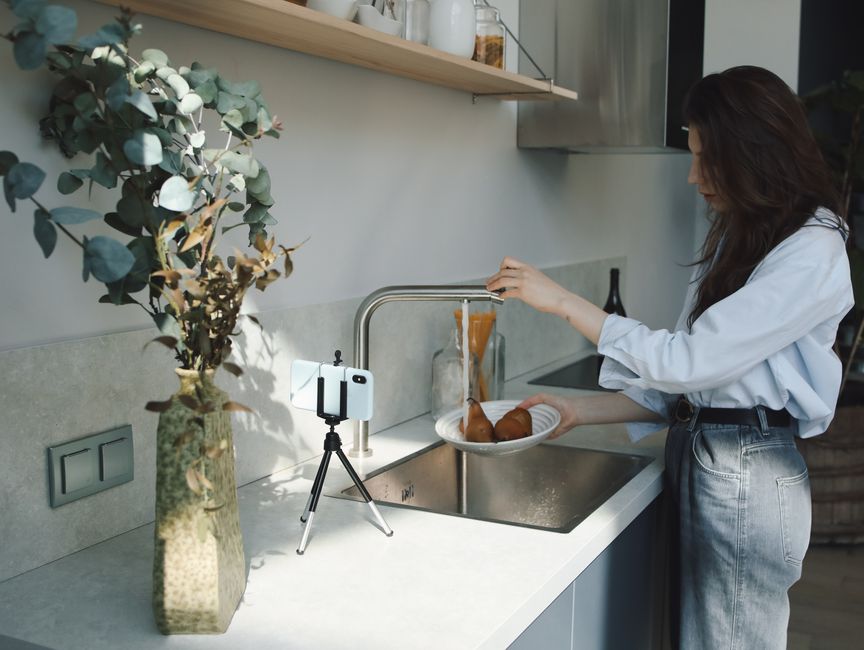
On a typical weekday morning, the alarm clock buzzes, and the remote worker stumbles out of bed, already feeling the weight of a late start. As they shuffle into the kitchen, the sight of dirty dishes piled high in the sink immediately triggers a sense of overwhelm. With a quick glance at the planner still closed on the table, they realize that their intentions for a morning art practice are slipping away. Instead of setting out breakfast items to fuel their day, they find themselves distracted by the clutter, which makes the counter unusable for the small ritual they had hoped to establish.
This morning routine, meant to include a moment of creativity, is derailed before it even begins. The pressure of a ticking clock amplifies the chaos, and the worker grabs a cup of coffee instead of their sketchbook. As they rush to leave the house, the thought of a daily reset fades, replaced by the nagging feeling of unfinished tasks. This friction point—the dirty dishes—serves as a reminder of how quickly good intentions can dissolve in the rush of a weekday morning, leaving little room for the art practice that once felt essential.
The Morning Routine Already in Motion
As the sun peeks through the kitchen window, the remote worker stares at the cluttered counter, overwhelmed by the stack of dirty dishes from last night’s dinner. The intention to prepare a quick breakfast and set out their sketchbook for a moment of creativity feels distant. Instead, the only action that unfolds is the hurried pouring of coffee into a travel mug, the familiar ritual of rushing to leave the house taking precedence over the art practice they had envisioned.
The planner, still closed on the table, serves as a silent witness to missed opportunities. It’s a reminder of how quickly good intentions can slip away in the chaos of a late-start weekday morning. With a quick glance at the mess, they decide to skip the breakfast prep entirely, opting instead for a granola bar from the pantry. As they grab their bag, the thought of a daily reset fades, replaced by the nagging feeling of unfinished tasks. Before stepping out, a quick check of the counter reveals no space to set anything down, reinforcing the friction that disrupts their artistic intentions.
Where the Routine Begins to Slip
The clock ticks past the intended start time, and the anxiety begins to mount. A quick glance at the entryway chair reveals a chaotic pile of bags, jackets, and a forgotten lunchbox from yesterday. This clutter makes it difficult to grab the essentials—keys, wallet, and phone—without a moment of frustration. Each second wasted adds to the pressure, pushing aside the thought of setting up for a quick art practice before diving into work.
As the morning rush intensifies, the planner remains closed on the table, a silent reminder of the intentions that now feel out of reach. A small decision to skip the breakfast prep means opting for a granola bar instead, a choice made in haste rather than enjoyment. With one last hurried check of the counter, the realization hits: dirty dishes have taken over the space, leaving no room to set down a sketchbook or even a cup of coffee. This missed check reinforces the friction that disrupts their artistic intentions, making the day’s creative reset feel increasingly distant.
In the midst of this scramble, the entryway becomes a barrier rather than a gateway. The bags piled high mean that grabbing the sketchbook on the way out is simply not feasible. Instead, the hurried exit leaves behind the very tools meant to inspire creativity, further deepening the disconnect between intention and action. As they step out the door, the thought of art practice is overshadowed by the urgency of the day ahead, underscoring how small delays can cascade into larger issues, derailing the morning routine before it even begins.
Why the Friction Happens
The kitchen, usually a space for morning rituals, transforms into a barrier when oversleeping disrupts the routine. Instead of the calm of preparing breakfast, the atmosphere shifts to a frantic rush. The clock ticks louder as the remote worker realizes they have only minutes to spare. In this scramble, the intention to set aside time for art practice quickly evaporates, overshadowed by the need to prioritize speed over creativity.
As they navigate the cluttered countertops, the dirty dishes serve as a constant reminder of the chaos. The absence of a clean space to prepare breakfast means they skip the small but vital step of setting out their favorite mug and sketchbook. Instead, they grab a granola bar, a quick fix that lacks the ritualistic quality of a proper meal. This choice not only shortcuts the breakfast experience but also diminishes the chance to set artistic intentions for the day.
With the planner still closed on the table, the worker misses the opportunity to visualize their creative goals. The disarray in the kitchen creates a ripple effect; without a moment to pause and prepare, the day begins without the grounding routine that often fuels inspiration. The hurried exit, with bags piled high and no time to check for essential tools, reinforces how good intentions can falter in the face of everyday friction. The morning routine, intended to inspire, instead becomes a series of missed chances, leaving art practice feeling like an afterthought before the day even begins.
A Simple Adjustment to Change the Sequence
Late-start weekday mornings often spiral into chaos, especially when the night before includes a long work session. The entryway chair, usually a place for calm reflection, becomes a dumping ground for bags and jackets, leaving little room for the essentials. The kitchen, cluttered with dirty dishes, further complicates the morning routine. Instead of a mindful breakfast, the remote worker hastily grabs a granola bar, missing the chance to prepare a nourishing meal that could spark creativity.
To counteract this friction, setting out breakfast items the night before can streamline the morning. Placing a bowl, spoon, and a few pieces of fresh fruit on the counter transforms a chaotic start into a more organized one. This small act allows for a smoother transition into the day. Additionally, designating a specific spot for the planner on the entryway table encourages a quick review before leaving the house. With the planner open to the day's tasks, the worker can visualize their artistic intentions, making it less likely to remain closed and forgotten.
A simple sequence change—like moving the planner to a more visible location—can create a mental checkpoint. Before stepping out, a quick glance at the planner can reinforce goals and inspire a moment of creativity. This adjustment not only prepares the mind for the day but also helps reclaim the morning routine from the clutches of disarray.
What to Check Before Leaving the Room
If this pattern keeps repeating, Everyday Life In The extends the idea without leaving the niche.
Late-start mornings can quickly spiral into chaos, especially when the breakfast counter is cluttered with dirty dishes. Before diving into meal prep, take a moment to clear the space. A quick rinse of plates and cups not only frees up the counter but also sets a tone of order for the day. This simple act of tidying creates a more inviting environment for breakfast, which should be a moment of calm, not a race against time.
Next, make sure the planner is open to the day's tasks, ideally placed on the entryway chair where it’s hard to miss. This visibility acts as a prompt, reminding you of your artistic intentions before stepping out. If the planner remains closed on the table, it’s all too easy to forget about those creative goals. A quick glance at the open planner can reinforce your focus, ensuring that your art practice doesn’t get lost in the shuffle.
Before you leave the room, do a final check: is the counter clear? Is the planner visible and ready? These small checkpoints can transform a haphazard start into a more structured morning, allowing for smoother transitions into the workday. Skipping these steps may seem minor, but they can lead to a disjointed start, where intentions fade into the background noise of a busy weekday routine.
How the Adjustment Affects the Next Part of the Day
This same friction shows up again in Daily Routines Real Life, especially when the day tightens unexpectedly.
Starting the day with a clear entryway can set the tone for the entire morning. When the breakfast items are laid out the night before—perhaps a bowl of oatmeal and a cup ready for brewing—it eliminates the frantic rush of a late start. This simple act allows for a moment of calm, where you can sip your coffee while mentally preparing for the day ahead. If the entryway chair is cluttered with bags or jackets, it becomes a barrier, making transitions to the next task feel cumbersome.
With the planner open and visible on the entryway chair, you can quickly review your tasks before stepping outside. This visibility reinforces your artistic intentions, reminding you of the creative goals you want to integrate into your day. If you skip this step and leave the planner closed on the table, it’s all too easy to forget about those plans, leading to a disjointed work block where art practice feels like an afterthought.
After a smoother morning, the first work block often feels more focused. Instead of scrambling to remember what you intended to achieve, you can dive into your tasks with clarity. The entryway remains clear, facilitating an easier transition to the next part of your day, whether that’s a quick walk for inspiration or setting aside time for art practice later. This ripple effect from a calm start can transform how you approach your weekday routine, making the incorporation of daily art feel less like a chore and more like a natural extension of your day.
As the morning rush unfolds, the friction points can easily derail your artistic intentions. When the entryway chair is cluttered with bags and shoes, that’s a visual cue that your space isn’t ready for a creative mindset. If you find yourself leaving the house without taking a moment to check your planner, you risk stepping into your work block without a clear direction. This disorganization can lead to a day where art practice feels like an afterthought, overshadowed by the urgency of work tasks.
To combat this, make it a habit to set out your breakfast items the night before. This small act not only streamlines your morning but also creates a dedicated space for reflection as you prepare to eat. Before you head out the door, take a moment to glance at your planner. This simple check can reinforce your commitment to integrating art into your day, ensuring that your creative goals remain front and center amidst the chaos of a late-start weekday morning.