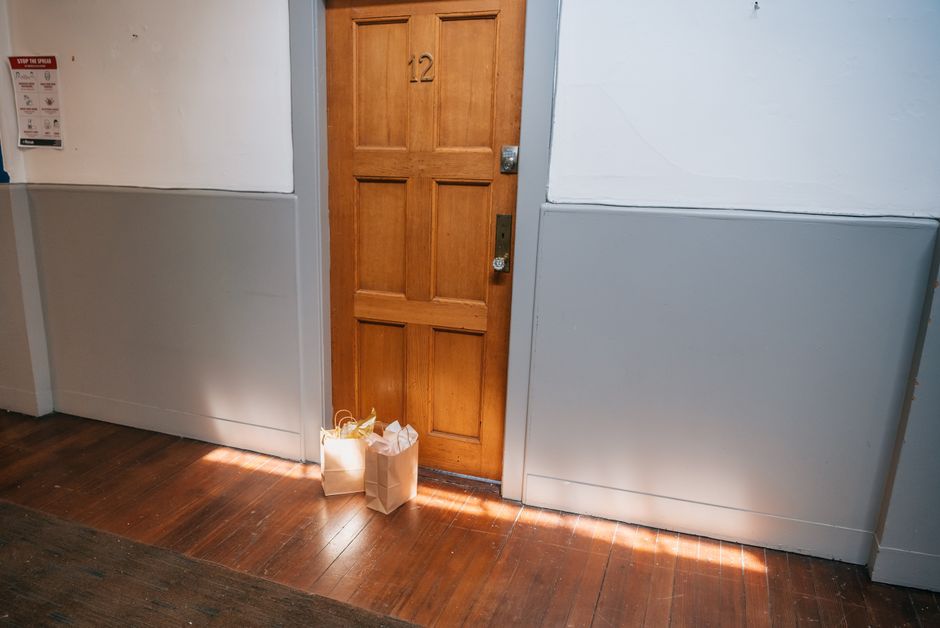
As the clock edges toward 6 PM, the hallway drop zone becomes a chaotic blend of backpacks, shoes, and the remnants of a busy day. The lunch container, still resting in the sink, serves as a reminder of the tasks left undone. After a long day of work and school pickups, the intention to engage in evening art practice feels like a distant goal. Instead, the priority shifts to preparing dinner, managing homework, and wrangling the kids, leaving little room for creativity. The work clothes stay on longer than intended, a subtle signal that the transition to a more relaxed evening is already delayed.
In this moment, the daily reset that could set the stage for art practice gets overlooked. A quick check of the weather app on the phone, which could inform decisions about setting up an outdoor workspace, is skipped in favor of tackling the immediate chaos. This missed step creates a ripple effect; by the time the dishes are cleared and the kids are settled, the opportunity for a focused art session has slipped away. The evening routine, while simple in concept, becomes a series of friction points that disrupt the flow, leaving artistic intentions unfulfilled and creativity stifled.
The Expected Evening Routine: Setting Up for Creativity
The evening begins with a quick cleanup of the dinner table, the remnants of a hastily prepared meal still lingering on plates. In the hallway drop zone, the art supplies are neatly arranged in a dedicated bin, waiting to be used. Ideally, this should be a straightforward transition from dinner to creativity, but the reality often diverges. The work clothes linger longer than planned, a reminder that the shift to a relaxed evening is not yet complete.
After clearing the table, a quick check of the weather app on the phone could inform whether the backyard is a viable option for art practice. However, this step often gets skipped as the parent rushes to manage homework and settle the kids. The intended 30 minutes for art begins to shrink, and the evening routine becomes a series of missed opportunities. Instead of setting up the workspace, the focus shifts to wrangling a lunch container that remains stubbornly in the sink. By the time the dishes are done and the kids are settled, the art practice feels like a distant memory, lost in the chaos of the evening's demands.
Where the Routine Breaks Down: A Critical Moment
This same friction shows up again in Everyday Life In The, especially when the day tightens unexpectedly.
The evening routine often stumbles at the drop zone, where bags and shoes pile up in the hallway after a long day. As the parent stands at the kitchen sink, scrubbing the lunch container that was left behind, the clock ticks on. This moment is crucial; it’s when the shift from daily chores to creative practice begins to fray. Instead of transitioning smoothly, the focus gets consumed by the immediate tasks at hand, such as rinsing the dishes and tidying up the table.
With the kids finally settled and the remnants of dinner cleared away, the planned art session starts to feel like a distant thought, overshadowed by the mundane. The phone, resting on the counter, has yet to be checked for the weather—an essential step that could determine whether the backyard is an option for painting or sketching. Skipping this quick check leads to uncertainty, further eroding the motivation to set up a workspace. The evening drags on, and what was meant to be a dedicated 30 minutes for art dwindles to nothing.
To regain control, a small adjustment can be made: before leaving the kitchen, take a moment to check the weather app. This simple action could inform the decision to either prepare the art supplies for indoor work or grab a sketchbook for an outdoor session. However, without this intentional pause, the drift continues, and the art practice slips away unnoticed, lost in the chaos of post-dinner demands.
Why This Failure Repeats: A Case of Overcommitment
A slightly different version of this problem appears in Daily Routines Real Life, where the sequence changes but the hidden drag feels familiar.
As the evening unfolds, the parent stands in the hallway drop zone, surrounded by the remnants of a busy day: shoes tossed aside, a lunch container lingering in the sink, and the unmistakable weight of chores looming large. The dinner dishes, still piled high, demand attention, pulling focus away from the artistic intentions that once sparked excitement. The clock ticks on, and with each passing minute, the opportunity for a creative session slips further away, overshadowed by the pressing need to tidy up and prepare for the next day.
The real friction lies in the absence of a clear transition from these mundane tasks to the desired art practice. Without a dedicated signal to shift gears, the parent finds themselves trapped in a cycle of overcommitment, where chores take precedence over personal time. A simple yet effective adjustment could involve setting a timer for 15 minutes dedicated solely to cleaning up, followed by a hard stop to switch focus to art. This minor tweak could create a boundary that allows for a mental reset, but without it, the evening drags on, and the art practice remains an afterthought, lost amidst the clutter of daily responsibilities.
A Simple Correction: The Pre-emptive Check
Evening routines often slip into chaos when the transition from work to home isn’t clearly defined. As the parent walks through the hallway drop zone, the work clothes cling on longer than they should, signaling a lingering connection to the day’s demands. This can lead to missed opportunities for art practice, especially when the lunch container is left in the sink, a reminder of the unfinished tasks that crowd the mind.
- Set a timer for 10 minutes to check the weather and prepare art supplies before dinner.
- Change out of work clothes immediately upon arriving home to signal the start of the evening routine.
- Ensure that the art supplies are placed in a visible spot to encourage a quick start after dinner.
By implementing this pre-emptive check, the parent can create a more intentional shift into evening practice. The timer serves as a gentle nudge, allowing for a focused moment of preparation. When the clothes are changed right away, it marks a clear boundary, helping to mentally separate the workday from personal time. This small adjustment can transform the evening, making it easier to dive into art rather than getting lost in the clutter of the day’s remnants.
One Quick Checkpoint: The Five-Minute Rule
As the evening wears on and the remnants of the day linger, it’s easy to let the clutter of work clothes and dinner dishes overshadow artistic intentions. Before diving into the chaos of dinner prep, take a moment to spend five minutes organizing the art space. This simple action not only clears the physical area but also sets a mental stage for creativity. Lay out the paintbrushes, sketchbooks, and any other supplies on the dining table, creating a visual cue that art time is approaching. Without this small effort, the evening can drift into a cycle of chores and distractions.
In the hallway drop zone, where work shoes and bags often pile up, change out of your work clothes immediately upon arriving home. This signals the transition from the workday to personal time. If the lunch container is still in the sink, it can serve as a reminder of unfinished tasks, pulling focus away from the creative space you just prepared. By making this quick check a routine, you not only clear the clutter but also reinforce the boundary between work and art. The five-minute rule transforms a chaotic evening into a structured opportunity for practice, allowing for a smoother flow into your evening art session.
After the Correction: Easier Transitions to Art
With the art supplies laid out on the dining table, the shift from chores to creativity becomes seamless. Instead of feeling like a race against the clock, the parent can now approach the evening with a sense of calm. The act of preparing the materials ahead of time creates a mental cue that art time is imminent, allowing for a smoother transition into practice.
Evenings transform into a more enjoyable space for creativity. When the hallway drop zone is cleared of work clothes and clutter, it eliminates the mental load that often distracts from artistic intentions. The parent can glance at the organized table and feel a sense of readiness rather than dread. This small adjustment not only fosters a more inviting atmosphere but also opens up the next time block for quality art-making without the usual rush.
Before leaving the room, a quick check ensures that the lunch container is dealt with, which further reinforces the boundary between the workday and personal time. By making this a routine, the parent can confidently step into their art practice, knowing that the chores are managed. This simple act of checking off the small tasks leads to a more focused and fulfilling creative session, making the evening a dedicated time for artistic expression.
As the evening winds down, the clutter in the hallway drop zone can easily become a barrier to creativity. If work clothes linger longer than intended, they not only occupy physical space but also mental bandwidth. This can lead to a feeling of overwhelm, making it harder to transition into a mindset for art. A quick check of the area, perhaps while grabbing a jacket for a brief evening walk, can serve as a reminder to clear the space. It’s a simple yet effective way to signal the end of the workday and the start of personal time.
Before stepping into the evening routine, take a moment to check that the lunch container is rinsed and set aside for tomorrow. This small action not only keeps the kitchen tidy but also reinforces the boundary between the day’s responsibilities and the evening’s creative pursuits. With these minor adjustments, the parent can create an environment that invites artistic exploration, making it easier to dive into practice without the distractions of a messy space.