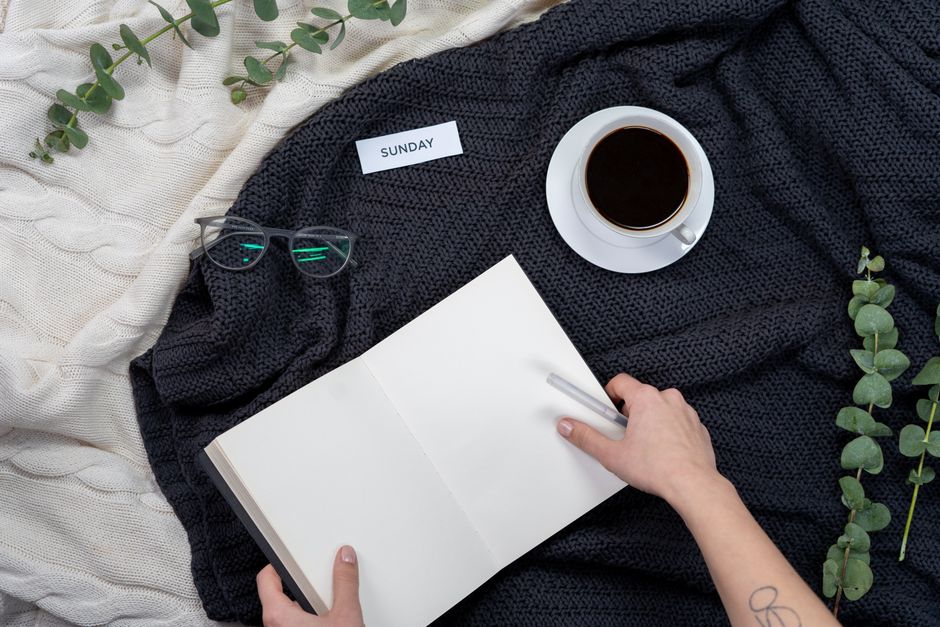
As the morning light filters through the kitchen window, the entryway chair is piled high with clothes, a visual reminder of the day ahead. The planner sits closed on the table, its pages untouched, while the smell of burnt toast fills the air. A quick glance at the clock reveals that time is slipping away. The breakfast triage begins: half-heartedly rinsing dirty dishes from last night, trying to make space on the counter for a quick meal. Each moment spent cleaning feels like a small victory, yet it pulls focus from the art supplies waiting in the corner, untouched and unprepared for the day’s practice.
With every minute that passes, the urgency grows. The dishes remain stacked, and the planner stays closed, signaling a missed opportunity to set intentions for the day. As the last bite of toast is swallowed, the realization hits: the routine is already breaking down. The clothes laid out for the day are lost in the chaos, and the art practice that should have been a priority now feels like an afterthought. This small disruption—a late start and a cluttered counter—has already shifted the entire morning routine, leaving little room for creativity before stepping out the door.
When the Morning Routine Breaks Down
The alarm rings late, its shrill sound cutting through a fog of sleep. In a rush, clothes are hastily pulled from the closet and tossed onto the entryway chair, a makeshift staging area for the day’s outfit. This small habit, a simple act of laying out clothes, is meant to streamline the morning, but today, it feels like just another item on an ever-growing list.
As the clock ticks, the kitchen becomes a battleground. Dirty dishes from last night clutter the counter, forcing a choice between a quick breakfast or a frantic clean-up. The planner, which should be opened to outline the day’s intentions, remains closed on the table, a silent witness to the chaos. Each minute spent rinsing plates feels like a concession to the day’s demands, pulling focus from the art supplies waiting in the corner, untouched and unprepared.
With the toast barely finished, the realization sets in: the morning routine is unraveling. The art practice that was supposed to anchor the day now feels like a distant thought, overshadowed by the clutter and the rush. The clothes laid out in the entryway chair, once a symbol of readiness, now serve as a reminder of how quickly priorities can shift. As the door closes behind, the weight of a disrupted routine lingers, leaving little room for creativity before stepping out into the world.
The Tipping Point: Breakfast Triage
This same friction shows up again in Everyday Life In The, especially when the day tightens unexpectedly.
The counter is a battlefield of dirty dishes, remnants of last night's hurried dinner. As the clock ticks toward departure, the sight of stacked plates and leftover containers creates a mental block. Instead of a nourishing breakfast, the choice narrows to a quick snack—perhaps a granola bar snatched from the pantry. This decision, made in haste, sets off a chain reaction that derails the morning routine.
With each bite of the granola bar, the mind drifts, not focusing on the day ahead but on the clutter that remains. The planner, still closed on the table, serves as a stark reminder of intentions left unaddressed. The quick snack, while convenient, lacks the grounding ritual of a mindful meal, leaving the artist feeling unprepared. The clothes laid out on the entryway chair, meant to symbolize a fresh start, now feel like a burden, a reminder of the time lost.
As the last crumbs are brushed away, a small habit could have been employed: laying out the breakfast items the night before. This simple act would place the cereal box and milk front and center, making it impossible to overlook in the morning rush. Instead, the chaotic choice of a snack leads to a hurried exit, with no time to engage with the art supplies waiting in the corner. The cascading effect of this one decision underscores how easily a small mistake can spiral, pushing art practice further down the priority list.
How a Missed Step Alters the Day's Flow
A slightly different version of this problem appears in Daily Routines Real Life, where the sequence changes but the hidden drag feels familiar.
Rushing out the door without laying out clothes the night before creates a ripple effect that can derail an entire day. Standing in front of the entryway chair, the artist faces a disheartening choice: sift through a jumbled pile of wrinkled outfits or grab whatever is on top. This indecision not only wastes precious time but also sets a chaotic tone that lingers. The planner remains closed on the table, a silent witness to the morning's disarray, as the artist rushes to grab a quick snack instead of enjoying a proper breakfast.
The first consequence of this hurried start is the mental clutter that takes root. Without a moment to breathe and connect with the day, the artist feels ungrounded, making it harder to engage with the art supplies waiting in the corner. The second consequence surfaces as the morning unfolds: a sense of urgency replaces the calm needed for creativity. The chaotic energy from skipping the small habit of preparation seeps into every task, pushing the art practice further down the priority list. A simple act, such as placing the clothes out the night before, could have anchored the morning routine, allowing for a smoother transition into the day's creative endeavors. Instead, the artist leaves the house feeling scattered, with art practice slipping further away as the day progresses. Revisiting the Entryway: A Simple Fix The entryway chair often becomes a catch-all for bags and jackets, but it can also serve as a powerful pivot point for a morning routine. By placing the planner next to the chair, it transforms into a visual cue that prompts the artist to check their schedule before heading out. This small adjustment can redirect focus from the clutter of the day to the creative tasks ahead.
Setting out clothes the night before can eliminate the indecision that often derails the morning flow. When the outfit is ready, it removes the friction of choosing what to wear, allowing the artist to move seamlessly into the next steps of their routine. This simple act of preparation not only saves time but also creates a sense of readiness, which is crucial for maintaining a connection to the art practice.
As the artist stands at the entryway, they can take a moment to check the planner before grabbing their prepared clothes. This sequence—checking the planner, followed by dressing—can ground the morning, creating a rhythm that keeps art at the forefront of their mind. Without these adjustments, the artist risks leaving the house in a rush, with their creative intentions overshadowed by the chaos of a disorganized start.
The Part Worth Repeating Tomorrow
The entryway chair, often a catch-all for bags and shoes, can also serve as a launchpad for a smoother morning. When preparing for the day, laying out clothes the night before becomes essential. This small habit not only clears the visual clutter but also creates a clear path to the next action. As the artist grabs their prepared outfit, they can glance at the planner sitting closed on the table, a reminder of the creative tasks ahead.
However, if dirty dishes crowd the counter, the artist might find themselves distracted, unable to access the coffee maker or breakfast items. This friction point can easily derail the morning routine. In contrast, setting aside a few minutes the night before to tidy up the kitchen can make the morning feel less chaotic. With a clean counter, breakfast can be a simple affair, allowing for a quick meal that doesn’t consume precious time.
By recognizing these small adjustments—like the importance of having clothes ready and a clean workspace—the artist can establish a repeatable pattern that not only supports their daily art practice but also fosters a sense of readiness for the day. If these elements are overlooked, the morning can slip into a rush, leaving creativity overshadowed by the clutter of unfinished tasks.
As the morning routine unravels, it’s easy to let small habits slip away, especially when faced with the chaos of a busy day. The entryway chair, often a catch-all for clothes and bags, can serve as a visual reminder of what’s needed for the day ahead. If the planner remains closed on the table, it’s a missed opportunity to set intentions for the art practice. Instead, laying out clothes the night before can streamline the morning, reducing decision fatigue and keeping the focus on creativity.
When breakfast becomes a triage of what’s available, the artist might overlook the simple act of preparing a meal that fuels both body and mind. A clean counter, free from dirty dishes, allows for a quick assembly of breakfast, making it easier to step into the day with purpose. By prioritizing these small checks, like ensuring the workspace is ready and the planner is open, the artist can reclaim their morning routine and keep their daily art practice on track, even when life gets hectic.