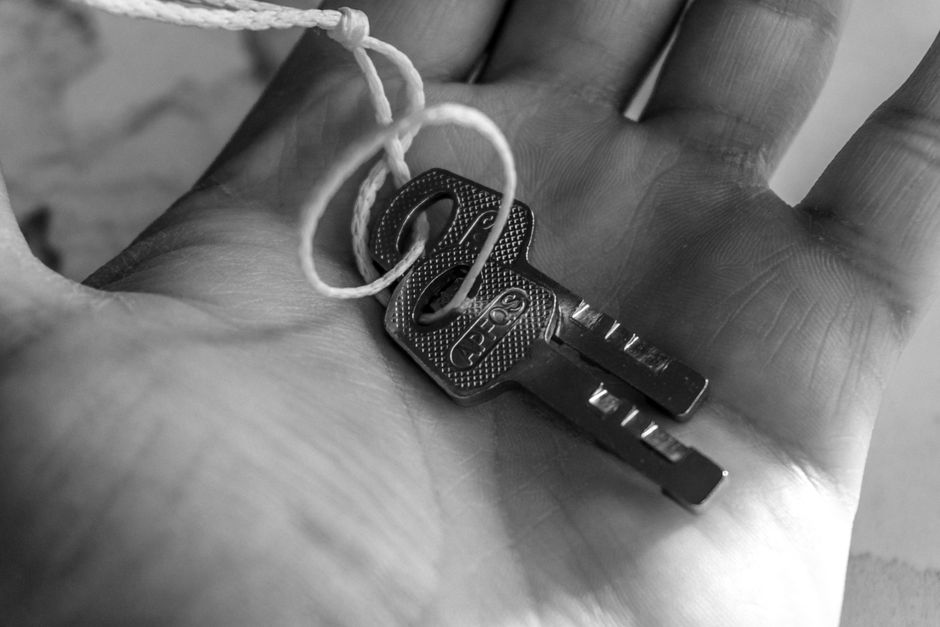
As the morning light filters through the hallway window, the familiar scene unfolds: a half-packed bag sits on the floor, alongside a set of keys and a notebook. The intention to sketch for a few minutes before heading to work lingers, yet the clutter of dirty dishes in the kitchen looms large, creating an invisible barrier to that daily art practice. The notebook, filled with ideas and sketches, remains untouched as the clock ticks closer to departure time. The umbrella, which should have been moved to the door the night before, is still leaning against the wall, adding another layer of friction to the morning routine.
In this moment, the sequence of actions that could lead to a fulfilling art practice begins to unravel. The small habit of checking the weather before leaving is often skipped, leaving the artist unprepared and frazzled. With the bag still open and the notebook not fully integrated into the routine, the opportunity to engage with art slips away, overshadowed by the pressing need to tidy up the counter or grab a quick breakfast. Each overlooked step compounds the difficulty of maintaining consistency, creating a ripple effect that disrupts the intention to practice art daily.
The Morning Shuffle: A Common Scene
In the cramped hallway of a small apartment, the bag sits half-packed on the floor, its contents spilling out—a sketchbook, a set of colored pencils, and a crumpled umbrella that never made it to the door. As the clock ticks closer to the start of the day, the artist fumbles through the routine, checking the time while glancing at the cluttered counter. Dirty dishes pile up, creating an uninviting environment that distracts from the intention to engage with art. The noise of the city outside mingles with the chaos inside, further complicating the morning.
The bag needs to be reset, but first, the artist must navigate the mess. Keys are retrieved from a nearby table, and the notebook is flipped open to the last blank page, but the small habit of checking the weather is overlooked. Instead of moving the umbrella to the door the night before, it remains a step away from the exit, adding unnecessary friction to the morning shuffle. Each moment spent managing the clutter pulls focus from what could be a quick, inspiring sketch session. As the bag finally closes, the artist is left with a choice: tackle the dishes or rush out the door, leaving the art practice waiting for another day.
Where the Routine Starts to Slip
A slightly different version of this problem appears in Everyday Life In The, where the sequence changes but the hidden drag feels familiar.
As the morning light filters through the hallway window, the artist glances at the pile of bags and notebooks by the door, ready for a quick departure. Yet, the umbrella remains in the living room, forgotten on the couch. This small oversight adds an unnecessary step to the already crowded morning routine, forcing a detour that disrupts the flow. Instead of a seamless grab-and-go, the artist must now navigate back through the apartment, increasing the likelihood of further distractions.
With the clock ticking, the artist feels the weight of hidden tasks piling up. The dirty dishes in the sink loom large, creating a mental block that makes the thought of sketching feel even more distant. Each moment spent moving the umbrella to the door feels like a concession to the chaos. The artist realizes that the evening routine, which should have included placing the umbrella by the door, was neglected. This missed check now means a hurried shuffle instead of a calm exit, and the chance for a few minutes of art practice slips away once more.
Why Small Habits Get Lost in the Shuffle
If this pattern keeps repeating, Daily Routines Real Life extends the idea without leaving the niche.
In the hallway drop zone, the artist's bag sits half-packed, a jumble of supplies and intentions. The clutter on the counter—dirty dishes and scattered papers—creates a barrier to focus. As the artist prepares for the day, the sight of the mess adds a layer of anxiety, making the idea of picking up a sketchbook feel like an uphill battle. Each glance at the sink pulls attention away from the art practice, reinforcing the belief that there’s simply no time to draw.
Before heading out, a quick check of the weather on the phone should be a straightforward task. However, it often morphs into a hidden step that derails the entire morning routine. The artist realizes that the umbrella, left behind in the living room, means a detour back through the apartment. This extra movement not only wastes precious time but also increases the chances of getting sidetracked by other tasks—like sorting through the clutter on the kitchen counter. The evening routine should have included checking the weather and placing the umbrella by the door, yet that check was overlooked, leading to a cascade of small missteps. With each missed action, the gap between intention and practice widens, turning a simple morning into a series of frustrating delays.
One Simple Adjustment to Change the Sequence
Setting up the hallway drop zone for the next morning can feel like a chore, but it’s a crucial step. Before heading to bed, take a moment to check the weather on your phone and pack your art supplies into your bag. This small evening routine can prevent the morning scramble that often derails your intentions. If the umbrella is already sitting by the door, you won’t have to navigate back through the apartment, risking distraction from dirty dishes or laundry waiting to be folded.
By moving the weather check to the night before, you streamline your morning routine significantly. This shift means that when you wake up, your bag is ready to go, and you can focus on your art practice instead of getting sidetracked. If you make it a habit to check the weather and prepare your supplies each night, you create a smoother transition into your daily art session. This simple adjustment not only saves time but also reinforces the habit of consistency, helping you stay committed to your practice even on busy weekdays.
How This Adjustment Shapes the Next Morning
When you arrive at the door with your bag packed the night before, the morning feels different. Instead of rushing to gather your art supplies, you can simply grab your bag and head out. This small shift in your evening routine eliminates the frantic search for your sketchbook or brushes, which often leads to distractions like the dirty dishes still piled up on the counter.
Checking the weather before bed allows you to add or remove items from your bag, ensuring you’re prepared for whatever the day holds. If rain is predicted, you can easily slip an umbrella into your bag, which will already be waiting by the door. This proactive step not only saves time but also helps you feel less rushed and more focused on your art practice. You’re not just preparing for the day; you’re setting the tone for a smoother start, where your mind is clear and ready to create.
By establishing this nightly reset, you create a reliable system that supports your daily art practice. The next morning, as you step outside, you can feel the difference in your mindset—no more last-minute scrambling, just a quiet confidence that you’re ready to embrace the day ahead. This adjustment might seem small, but it has a ripple effect that can significantly enhance your commitment to your art routine.
As you stand in the hallway, resetting your bag and keys, take a moment to notice what’s in your way. A pile of dirty dishes might be blocking your path, making the counter feel cluttered and chaotic. This small visual distraction can disrupt your focus on art, pulling you away from your practice before the day even begins. Instead of letting these obstacles accumulate, make a habit of clearing the space each evening. A quick check of your surroundings can help you identify what needs to be moved or put away, ensuring that your art supplies are easily accessible.
Next time you pack your bag, consider placing your notebook and art materials right by the door after you’ve checked the weather. This way, they’re the first things you see as you leave, reinforcing your commitment to your daily art practice. By creating a clean and organized drop zone, you set the stage for a smoother morning routine, where distractions are minimized, and your focus can remain on what truly matters—your art.