It’s 7:15 AM on a Tuesday, and the alarm clock blares from the other side of the room. The remote worker stirs, feeling the weight of last night's late finish still clinging to them. As they finally swing their legs over the edge of the bed, the thought of a morning art practice flickers in their mind. The hallway drop zone, cluttered with yesterday's work clothes and a half-packed lunch container, serves as a stark reminder of the chaos waiting to unfold. The promise of creativity feels distant, overshadowed by the urgency of getting dressed and logging on for the first work block.
In the rush, the art supplies remain untouched on the desk, a small habit sacrificed to the demands of the day. The worker glances at their phone, where a notification for a daily reset sits unread. They know they should check the supplies before heading out, but the work clothes cling longer than intended, and the moment slips away. With each passing minute, the art practice that once seemed a simple addition to the morning routine drifts further from reach, lost in the shuffle of weekday responsibilities.
The Morning Routine That Starts Late
The alarm blares, a jarring reminder of the late finish from the night before. The worker stumbles out of bed, still groggy, and glances at the hallway drop zone, where yesterday's work clothes lie in a crumpled heap next to a half-empty lunch container. The art supplies, neatly stacked on the desk, feel like distant dreams, overshadowed by the pressing need to get dressed and log into the first work block. The morning light filters through the window, illuminating the chaos, yet the thought of a quick sketch feels like an indulgence that must be postponed.
As the worker fumbles through the clutter, the transition from sleep to a focused art practice is fraught with friction. They know they should set the alarm across the room to force a quicker wake-up, but that small habit hasn't yet taken root. Instead, the work clothes cling longer than intended, and a quick check of the art supplies slips from memory. The clock ticks, and with each passing moment, the allure of creativity fades further. The lunch container, still resting in the sink, serves as a reminder of the unfinished tasks that dominate the morning routine. The art practice, once a simple addition to the day, now feels like an unattainable luxury, lost amidst the chaos of weekday responsibilities.
When the Routine Begins to Slip
If this pattern keeps repeating, Everyday Life In The extends the idea without leaving the niche.
The alarm clock blares, but the worker, still wrapped in the warmth of sleep, neglects to reach across the room to silence it. This small act of placing the alarm out of arm's reach could have prompted a quicker start, yet the decision to keep it nearby for convenience leads to a rushed morning. As they stumble into the hallway, still dressed in pajamas, the thought of switching into work clothes feels like a daunting task. The delay creates a mental block, making the idea of picking up a sketchbook seem like an indulgence rather than a part of the routine.
With the clock ticking, they finally change into their work clothes, but the transition feels awkward and disjointed. The lingering sense of being unprepared weighs heavily, and the art supplies, neatly organized on the desk, go unchecked. A quick glance at the cluttered kitchen reveals the lunch container still sitting in the sink, a visible reminder of unfinished tasks. This small detail amplifies the sense of chaos, reinforcing the idea that art practice is a luxury that must be set aside. The mental clutter from the unwashed dishes and the rushed outfit creates a barrier, making it harder to shift into a creative mindset.
Before heading to the workspace, a simple check of the art supplies could have been a grounding moment. Instead, the worker rushes out, leaving behind the potential for a daily reset. Each small delay compounds, transforming a once-simple morning routine into a series of missed opportunities. The friction of these moments accumulates, and what could have been a refreshing start to the day now feels like an uphill battle, overshadowed by the demands of the weekday ahead.
What Gets Overlooked in the Morning Rush
This same friction shows up again in Daily Routines Real Life, especially when the day tightens unexpectedly.
The morning light filters through the kitchen window, illuminating a chaotic scene that makes it hard to focus on art. The hallway drop zone is cluttered with bags, shoes, and yesterday’s mail, creating a physical barrier to accessing art supplies stashed nearby. This mess not only clutters the space but also clutters the mind, making it difficult to shift gears from the mundane to the creative.
- The evening routine is neglected, leaving art supplies scattered and unprepared for a morning practice. Instead of setting aside time to organize, the worker prioritizes sleep, resulting in a disorganized workspace that feels overwhelming at the start of the day.
- Work clothes remain on longer than intended, creating a psychological barrier. The act of dressing in professional attire signals a shift into work mode, which can stifle the creative impulse. The worker feels trapped in a mindset that prioritizes productivity over creativity.
- Before stepping out, a quick check of the art supplies is overlooked. This missed moment could have served as a grounding ritual, a way to transition from the chaos of morning tasks to a focused art practice. Instead, the worker rushes out, leaving behind a sense of unfinished business.
The accumulation of these friction points turns what should be a simple morning routine into a series of obstacles. Each delay compounds the difficulty of transitioning into a creative mindset, overshadowing the good intentions that initially sparked the desire to practice art daily. Without a reset in the evening, the potential for a refreshing start is lost, leaving creativity feeling like a distant goal rather than an achievable daily practice.
A Small Adjustment That Makes a Difference
Setting the alarm across the room the night before can be a game changer for a remote worker trying to maintain a daily art practice. When the alarm goes off, the act of getting out of bed becomes a necessary first step, pulling the worker into the day rather than allowing them to linger in the comfort of the sheets. This simple action interrupts the cycle of hitting snooze and can create a sense of urgency that propels them into the morning routine.
In addition to the alarm placement, incorporating a quick five-minute tidy-up of the art space before bed can significantly streamline the morning. A clutter-free environment invites creativity, making it easier to dive into art practice without the distraction of disarray. The worker might find themselves placing brushes back in their holder, organizing sketchbooks, or even cleaning the lunch container left in the sink. This small habit not only prepares the space but also sets a clear intention for the next day’s practice.
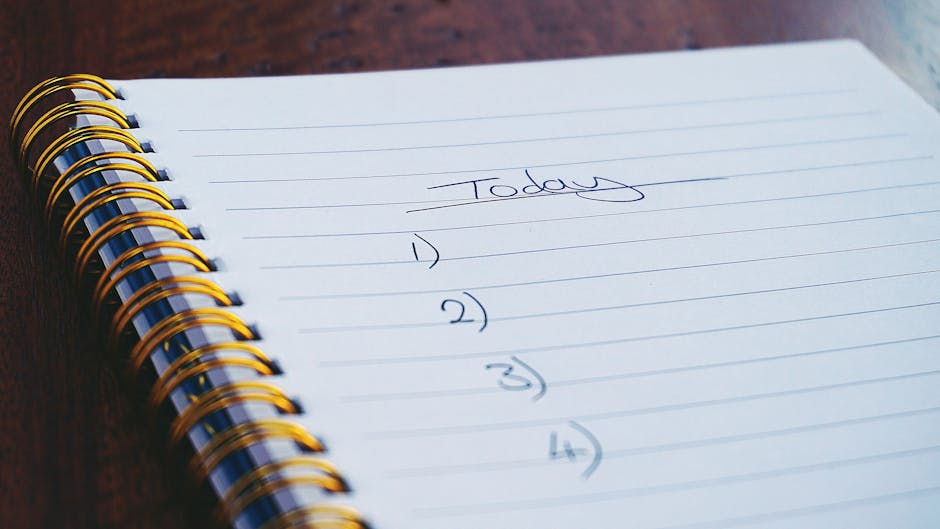
To further reduce decision fatigue, establishing a simple checklist for morning prep can be invaluable. The worker might jot down essential tasks like "check art supplies" and "pack lunch" on a sticky note and place it on the hallway drop zone. This visible reminder keeps priorities front and center, ensuring that as they rush out the door, they don’t overlook the art supplies that could serve as a grounding ritual. Skipping this check can lead to a sense of incompleteness, reinforcing the friction that makes transitioning into a creative mindset feel like a chore rather than a joy.
What Gets Easier in the Next Time Block
As the morning routine unfolds, the friction of a late start can be mitigated with a few strategic adjustments. The worker's evening routine plays a crucial role here; if they take a moment to set the alarm across the room, the act of getting out of bed becomes a small but effective reset. This simple shift not only encourages waking up on time but also signals the brain that the day is beginning, creating a smoother transition into the work block.
Once the worker is up, a quick check of the hallway drop zone can streamline the morning chaos. They might grab the packed lunch container, ensuring it’s ready to go, while also checking that art supplies are visible and accessible. Placing a sticky note with reminders, such as "check art supplies" or "set up workspace," on the door can serve as a last-minute prompt before heading out. This little action helps prevent the all-too-common oversight of leaving essential tools behind, allowing for a more focused and productive first work block.
By integrating these small habits into the evening routine, the worker finds that the next time block feels less rushed and more intentional. The decision to prepare the night before pays off, as they can step into their creative practice with fewer distractions and a clearer mind. It’s a subtle but significant shift that makes the art practice feel less like an obligation and more like a natural extension of their day.
As the morning rush unfolds, the friction of work clothes lingering longer than intended can easily derail the intention to engage in art. The small habit of setting the alarm across the room serves not just as a wake-up call but as a gentle nudge to rise and reset the day. It’s a simple action that, when paired with a quick check before leaving the room, can help ensure that essential art supplies are ready. This small adjustment may seem trivial, but it can profoundly impact how smoothly the transition into creativity feels.
In the midst of a busy weekday morning, the art practice can slip through the cracks if preparation is left until the last minute. A quick glance at the hallway drop zone, where the lunch container often sits forgotten, reminds the worker of the importance of visual cues. By establishing a routine that includes checking for art materials alongside other daily tasks, the practice can become a seamless part of the morning flow. This simple act of preparation transforms art from a chore into a natural extension of the day, making it easier to embrace creativity amidst the chaos.